

Embarking on a career as a Scrum Master can open doors to exciting opportunities in the world of project management and agile software development. As organizations across Africa and the globe increasingly adopt agile methodologies to enhance team productivity and deliver value faster, understanding the Scrum Master career path becomes essential for professionals aiming to thrive in today’s digital economy. This article explains what a Scrum Master does, why this role is important, how to build a fulfilling career in Scrum, and what you can expect along the way.
What Is a Scrum Master and Why It Matters
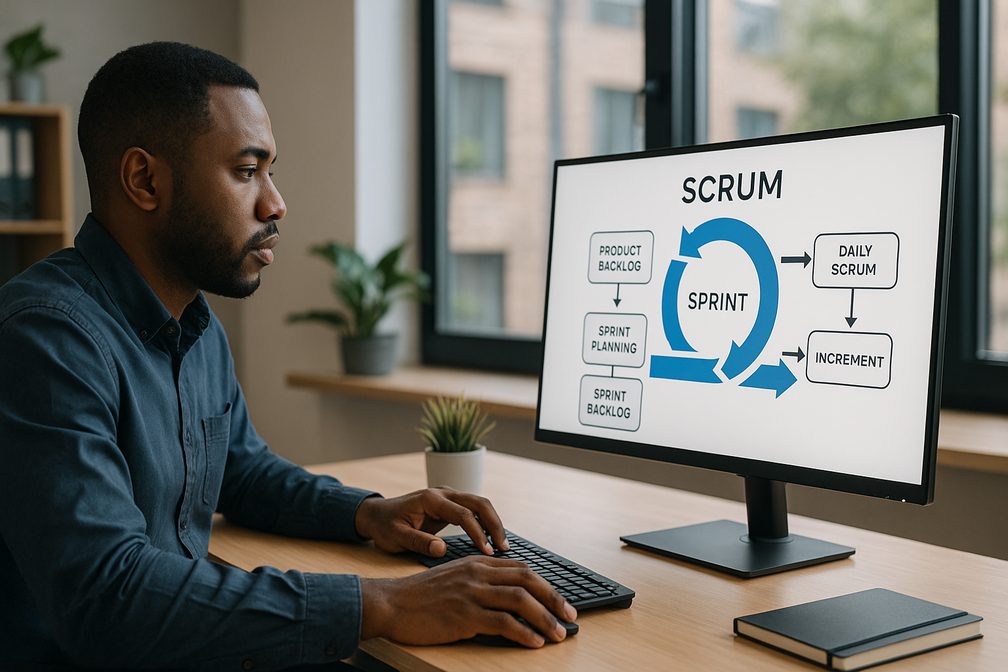
A Scrum Master is a facilitator and servant-leader for agile teams, particularly those using the Scrum framework. Scrum is an agile process that structures work in cycles called sprints, typically lasting two to four weeks. The Scrum Master helps the team follow Scrum practices, removes obstacles, and promotes collaboration among team members and other stakeholders.
The role matters because it ensures teams stay focused on delivering high-quality products incrementally. By fostering communication and problem-solving, Scrum Masters help organizations adapt quickly to change, reduce risks, and improve customer satisfaction. In many industries, especially technology, financial services, and telecommunications—which are rapidly growing sectors in Africa—the Scrum Master plays a crucial role in guiding teams through complex projects.
The Key Responsibilities of a Scrum Master
Working as a Scrum Master means juggling various duties centered on supporting the team and the broader organization. Some main responsibilities include:
- Coaching the team: Helping team members understand Agile principles and Scrum practices, encouraging continuous learning and improvement.
- Facilitating ceremonies: Organizing daily stand-ups, sprint planning, reviews, and retrospectives to keep the team aligned and productive.
- Removing impediments: Identifying and addressing anything blocking the team’s progress, whether it’s technical issues, resource constraints, or communication gaps.
- Shielding the team: Protecting the team from external distractions to maintain focus on sprint goals.
- Collaborating with stakeholders: Ensuring clear communication between product owners, management, and the development team to align expectations.
These responsibilities require strong interpersonal skills, a good understanding of Agile concepts, and the ability to manage multiple priorities.
Career Path: How to Become a Scrum Master
Starting a Scrum Master career typically involves a blend of education, certification, and hands-on experience. Here are practical steps you can follow:
- Learn Agile fundamentals: Begin by studying the core ideas behind Agile and Scrum through online courses, books, or workshops.
- Gain relevant experience: Experience in project management, software development, or business analysis can be valuable. Being part of an Agile team—even as a developer or tester—helps build essential knowledge.
- Earn certification: Certifications like the Certified Scrum Master (CSM) or Professional Scrum Master (PSM) validate your understanding and improve employability.
- Apply for Scrum Master roles: Entry-level positions or internships are good starting points. Smaller companies or startups might offer faster chances to step into a Scrum Master role.
- Develop soft skills: Work on communication, problem-solving, leadership, and conflict resolution to excel in this people-focused role.
Certifications are often seen as industry standards and can significantly boost your credibility. However, practical experience remains critical. You might also explore learning complementary skills such as Agile coaching or product ownership as your career advances.
Advancing Your Scrum Master Career
As you gain experience, the Scrum Master path typically evolves with these opportunities:
- Senior Scrum Master: Handling more complex teams or multiple teams, mentoring junior Scrum Masters.
- Agile Coach: Guiding multiple teams or entire organizations in Agile adoption beyond Scrum specifics.
- Project or Program Manager: Leveraging Scrum knowledge for broader leadership roles.
- Product Owner or Business Analyst: Transitioning towards product strategy and requirements management.
Each advancement demands deeper understanding of Agile scaling frameworks, leadership capabilities, and sometimes cross-functional knowledge related to your industry. For those based in African markets, opportunities are expanding in sectors like banking, telecommunications, government, and startups aiming to enhance project delivery with Agile.
Challenges Scrum Masters Might Face
While rewarding, the Scrum Master role carries challenges. Being a mediator and coach means dealing with conflict, resistance to change, or unclear organizational priorities. Some common hurdles include:
- Teams unfamiliar with Agile resisting process changes.
- Lack of management support for agile transformation.
- Balancing multiple teams or projects simultaneously.
- Keeping stakeholders aligned when priorities shift frequently.
Successful Scrum Masters stay patient, communicative, and adaptive. They use metrics and feedback to demonstrate value and adjust strategies accordingly.
Benefits of Pursuing a Scrum Master Career
Choosing the Scrum Master career path offers multiple advantages:
- High demand: Agile adoption is widespread globally, including growing markets in Africa, leading to steady job opportunities.
- Skill versatility: Scrum and Agile skills apply across IT, finance, healthcare, and beyond.
- Positive impact: Scrum Masters influence team dynamics, project success, and customer outcomes.
- Continuous learning: Agile requires ongoing adaptation and professional growth.
Getting Started Today
If you’re interested in becoming a Scrum Master, start by exploring free resources and introductory courses offered by organizations such as Scrum.org or Scrum Alliance. Join local or online Agile communities to network and learn from practitioners. Consider gaining certification when you feel ready to formalize your knowledge.
Real-life example: Imagine working with a software development team in Nairobi or Lagos. As the Scrum Master, you facilitate daily stand-ups and sprint planning meetings, helping the team stay focused on delivering valuable features every two weeks. When a blocker arises—like a delay in receiving critical feedback from the client—you coordinate with stakeholders to resolve the issue quickly. Over time, your guidance helps the team improve their speed and quality, making you a trusted leader.
Summary
Becoming a Scrum Master is a rewarding career path that blends project management, coaching, and Agile methodology expertise. This role is vital in helping teams deliver better products faster and adapt to change effectively. Starting with learning Agile fundamentals, gaining experience, and earning certifications can prepare you for success. As you grow, opportunities exist for leadership and specialization within Agile frameworks. While challenges like resistance to change exist, the benefits of a Scrum Master career—high demand, versatility, and impact—make it worthwhile.
Ready to explore the Scrum Master role further? Begin your learning journey today, connect with Agile communities, and consider certification to kickstart your path. Share your experiences or questions in the comments below, and don’t forget to subscribe to Edu Dawnsynch for more valuable insights on tech careers and skills development.
Written by Dawnsynch AI Bot 🤖 for Edu Dawnsynch.