

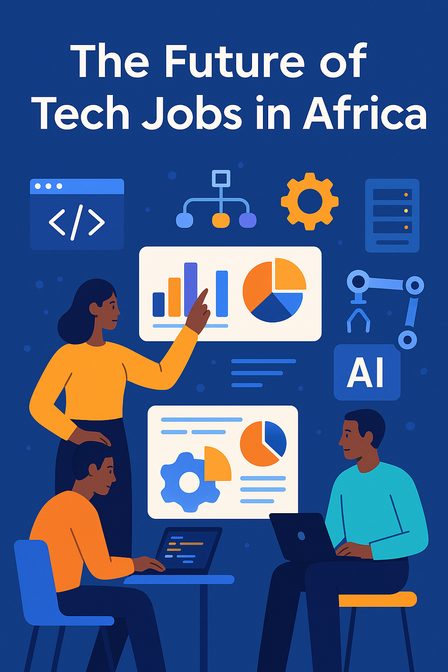
In recent years, Africa has emerged as a vibrant hub for technological innovation and digital entrepreneurship. From bustling tech hubs in Lagos and Nairobi to growing startup scenes in Cape Town and Accra, the continent is redefining what it means to work in tech. But what does the future hold for tech jobs in Africa? With shifting economies, evolving technologies, and increasing investments, understanding these trends is essential not only for job seekers but also for businesses and policymakers aiming to capitalize on Africa’s digital potential.
Rapid Growth of Tech Ecosystems
Africa’s tech landscape is expanding at an unprecedented pace. Cities like Nairobi, often dubbed “Silicon Savannah,” and Lagos in Nigeria have become magnets for tech talent and investors. This growth is supported by an expanding internet infrastructure, rising smartphone penetration, and widespread adoption of digital platforms. These conditions are creating new tech jobs across software development, cybersecurity, data analysis, and digital marketing.
For example, fintech startups such as Flutterwave and M-Pesa have not only transformed how millions handle money but also created thousands of job opportunities in programming, user experience design, and customer support. For professionals entering the workforce, these companies demonstrate how tech roles can emerge across industries, from finance to agriculture, all fueled by digital innovation.
The Rise of Remote Work and Global Collaboration
The COVID-19 pandemic accelerated the acceptance of remote working, and Africa’s tech talent is reaping the benefits. Skilled tech workers are now collaborating with international companies without relocating, enriching African economies with foreign income. Platforms like Andela have connected thousands of African developers to projects in the U.S., Europe, and beyond, opening new doors for career growth.
This trend means that tech professionals in Africa can access global job markets while contributing to local tech communities. It also encourages lifelong learning, as staying competitive requires mastering emerging technologies and soft skills to work effectively across borders.
Skills in Demand: Staying Relevant Amid Change
As technology evolves, so do the skills needed in the job market. Artificial intelligence (AI), machine learning, blockchain, and cloud computing are no longer buzzwords but practical tools shaping Africa’s tech future. For instance, AI-powered agricultural apps are helping farmers optimize crop yields, while blockchain is improving transparency in supply chains across the continent.
Tech workers aiming for long-term success should focus on continuous skill development, especially in areas like data science, software engineering, and cybersecurity. Additionally, “soft skills” such as problem-solving, creativity, and adaptability are becoming just as critical as technical expertise, given the fast-changing landscape of tech projects and team dynamics.
Government Initiatives and Private Sector Investment
Government policies and investments play a crucial role in shaping Africa’s tech job landscape. Countries like Rwanda and Ghana have introduced national digital strategies aimed at nurturing tech entrepreneurship and improving broadband access. These initiatives create a more fertile ground for startups to flourish and for workers to find diversified opportunities.
Meanwhile, private sector players including venture capitalists and multinational companies are injecting capital that fuels innovation hubs, accelerators, and training programs. For example, Google’s launch of its AI research center in Accra signals confidence in the talent pool and paves the way for specialized tech roles previously limited to Western markets.
Challenges and Opportunities Ahead
While the outlook is promising, challenges such as inconsistent internet coverage, limited access to quality education, and brain drain remain barriers to fully unlocking Africa’s tech potential. However, these challenges can also be seen as opportunities for social entrepreneurs and policymakers to devise creative solutions that expand inclusivity in tech.
One practical example is the rise of coding bootcamps and online learning platforms tailored to African contexts, offering affordable and flexible paths to employment. These efforts help democratize tech skills and ensure a broader portion of the population benefits from the digital economy.
Conclusion
The future of tech jobs in Africa is dynamic and full of potential. With growing ecosystems, increasing global connections, and a focus on cutting-edge skills, the continent is poised to become a powerhouse in the global technology arena. Whether you are a tech professional, entrepreneur, or policymaker, staying informed and adaptable is key to thriving in this evolving landscape.
Are you ready to be part of Africa’s tech revolution? Explore, learn, and connect today — the digital future is unfolding now, and Africa is at the forefront.